Efficient Power Conversion for Solar Energy Systems
A solar inverter is an important component of a solar PV system. Solar panels generate electricity as DC (direct current), while most household and commercial electrical equipment uses AC (alternating current). The inverter converts the DC electricity generated by the solar panels into AC electricity that can be used by electrical loads or supplied to the grid, depending on the system configuration.
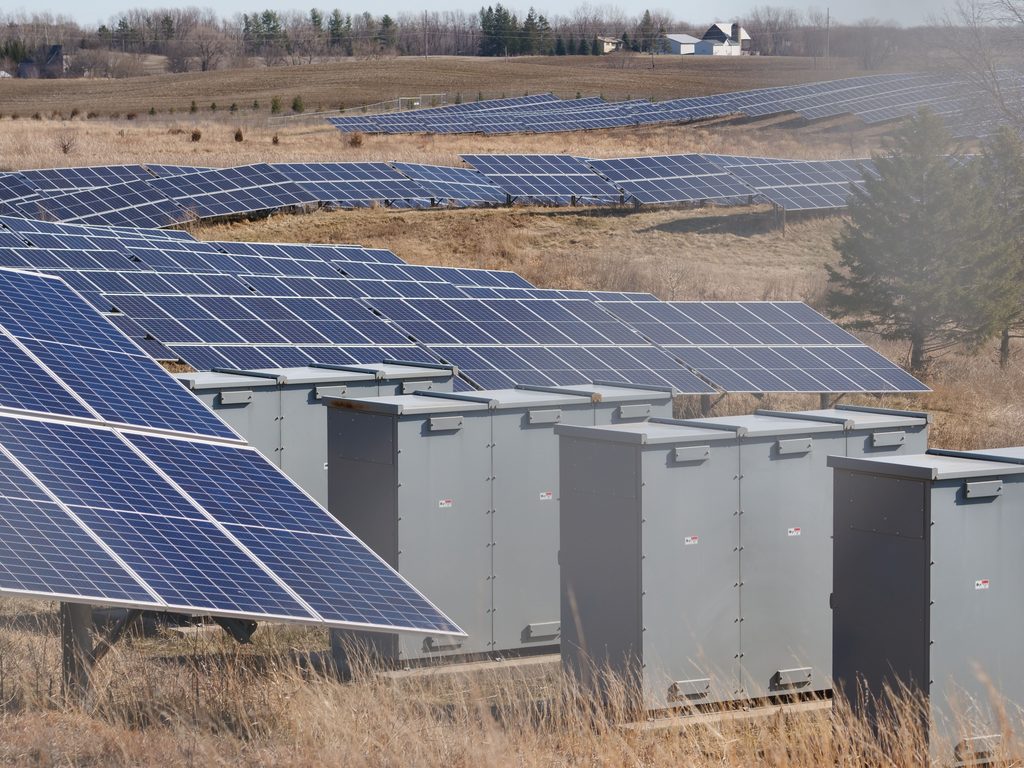
How Does a Solar Inverter Work?
The basic process is:
Solar Panels → DC Electricity → Solar Inverter → AC Electricity → Home/Business
The inverter can also provide functions such as system monitoring and communication, depending on the model and system design.
Types of Solar Inverters
1. On-Grid Solar Inverter
An on-grid inverter is designed for solar systems connected to the electricity grid. It converts solar-generated DC electricity into AC electricity suitable for the building’s electrical system and grid connection.
2. Off-Grid Solar Inverter
An off-grid inverter is used in systems that operate independently of the electricity grid. These systems generally use batteries to store energy for later use.
3. Hybrid Solar Inverter
A hybrid inverter combines solar and battery-management functions in one system. It can be used in solar-plus-storage applications, depending on the system design.
4. String Inverter
A string inverter connects to a group, or “string,” of solar panels. String inverters are commonly used in residential and commercial solar installations.
5. Microinverter
A microinverter is installed at the individual solar-panel level. This configuration allows panels to operate more independently, which can be useful for installations with different shading or roof conditions.
Benefits of Solar Inverters
- Converts DC electricity into usable AC electricity
- Enables solar energy to power electrical loads
- Supports grid-connected solar systems
- Can provide system monitoring
- Available for residential, commercial and industrial applications
- Hybrid models can integrate solar generation and battery storage
Applications
Solar inverters can be used for:
- 🏠 Residential rooftop solar
- 🏢 Commercial solar systems
- 🏭 Industrial solar installations
- 🌞 Ground-mounted solar systems
- 🔋 Solar-plus-battery systems
- 💧 Solar water pumping systems
Choosing the Right Solar Inverter
The appropriate inverter depends on several factors:
- Solar system capacity
- Type of solar installation
- Single-phase or three-phase electrical supply
- Battery-storage requirements
- Number and arrangement of solar panels
- Available installation conditions
- Monitoring and communication requirements
The inverter should be selected as part of the complete solar-system design rather than considered separately from the solar panels and other equipment.
Our Solar Inverter Solutions
We provide inverter solutions for different solar applications and can help customers select an appropriate inverter based on their system requirements.
Our services include:
- Solar inverter selection
- System design
- Inverter installation
- Electrical connections
- System testing
- Commissioning
- Maintenance and technical support