Turn Your Rooftop into a Source of Clean Energy
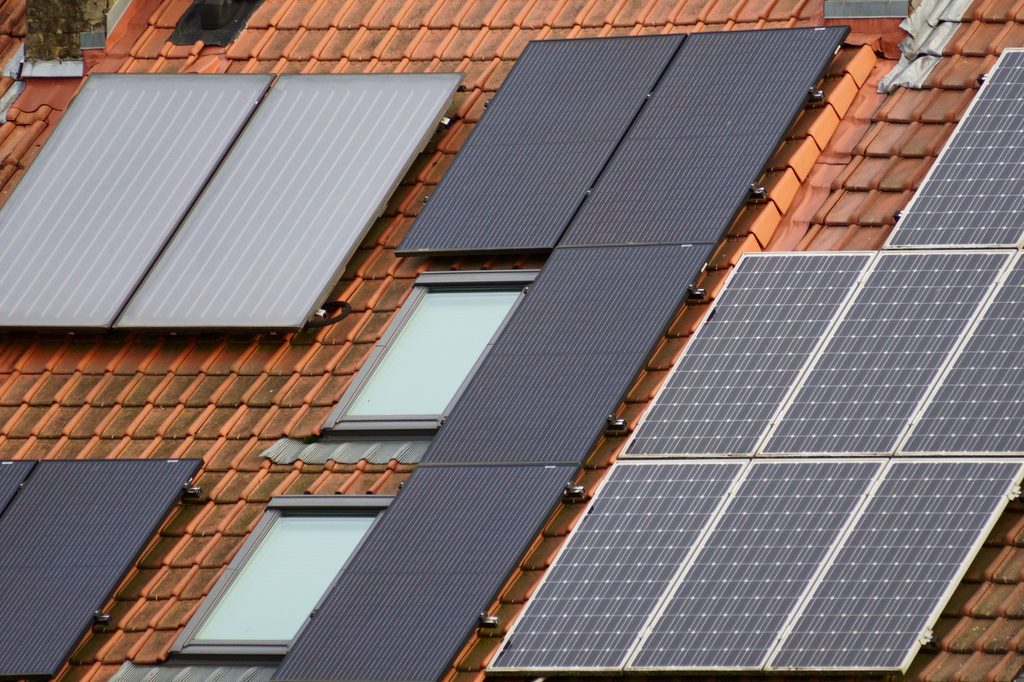
Rooftop solar is a solar power system installed on the roof of a home, commercial building, office, factory or other suitable structure. Solar panels capture sunlight and convert it into electricity that can be used to power electrical appliances, equipment and other loads.
Rooftop solar systems are suitable for both residential and commercial applications. With proper site assessment and system design, unused rooftop space can be converted into a useful source of renewable energy.
How Does Rooftop Solar Work?
A typical rooftop solar system works through several main components:
Sunlight → Solar Panels → Inverter → Electrical System → Appliances & Equipment
Solar panels generate DC electricity from sunlight. The inverter converts the generated electricity into AC electricity that can be used by the building.
Benefits of Rooftop Solar
☀️ Clean Energy
Solar panels generate electricity from sunlight without directly burning fuel during operation.
💰 Potential Electricity Savings
Generating electricity on-site can reduce the amount of electricity that needs to be purchased from the grid, depending on system design and local regulations.
🏠 Efficient Use of Roof Space
Rooftops that receive adequate sunlight can be used for solar panel installation instead of remaining unused.
🌱 Environmentally Friendly
Solar power is a renewable energy source that can help reduce dependence on conventional energy sources.
🔧 Low Maintenance
Solar PV systems generally require relatively low routine maintenance, such as keeping panels clean and checking system components.
📈 Long-Term Energy Solution
A properly designed and maintained solar installation can provide renewable electricity for many years.
Types of Rooftop Solar Systems
1. On-Grid Rooftop Solar
An on-grid system is connected to the electrical grid. Solar energy generated by the panels can be used by the building, while electricity can also be drawn from the grid when required.
2. Off-Grid Rooftop Solar
An off-grid system operates independently of the electricity grid and generally uses batteries to store energy for use when solar generation is unavailable.
3. Hybrid Rooftop Solar
A hybrid system combines solar generation with battery storage and grid connectivity, depending on the system configuration.
Rooftop Solar Installation Process
Step 1 – Site Survey
The roof is inspected for available space, sunlight exposure, structural considerations and installation requirements.
Step 2 – Energy Assessment
Electricity consumption and the customer’s energy requirements are evaluated.
Step 3 – System Design
The solar panel layout, inverter capacity, mounting structure and electrical configuration are designed.
Step 4 – Installation
Solar panels, mounting structures, cables, inverter and other required equipment are installed.
Step 5 – Testing
The complete system is inspected and tested to verify proper operation.
Step 6 – Commissioning
After successful testing, the rooftop solar system is commissioned for operation.
Where Can Rooftop Solar Be Used?
Rooftop solar systems can be installed on:
- 🏠 Residential homes
- 🏢 Office buildings
- 🏭 Factories
- 📦 Warehouses
- 🏥 Hospitals
- 🏫 Schools and colleges
- 🏨 Hotels
- 🛍️ Commercial buildings
- 🏬 Retail stores
Why Choose Our Rooftop Solar Solutions?
We provide customized rooftop solar solutions based on the customer’s requirements and site conditions.
Our services include:
- Site survey
- Solar system design
- Solar panel installation
- Inverter installation
- Electrical installation
- System testing
- Solar maintenance
- Technical support
Start Using Your Rooftop for Solar Energy
Your rooftop can become an important source of clean electricity. Whether you are a homeowner, business owner or industrial facility operator, a properly designed rooftop solar system can help you make productive use of available roof space.