Introduction
Solar panel installation is an important step in developing a renewable energy system. Solar panels convert sunlight into electricity that can be used in homes, businesses, industries, and other buildings.
A proper solar panel installation process includes planning, site inspection, system design, mounting structure installation, solar panel fixing, electrical connections, and testing.
With professional installation and quality equipment, solar energy systems can provide reliable and sustainable electricity.
What Is Solar Panel Installation?
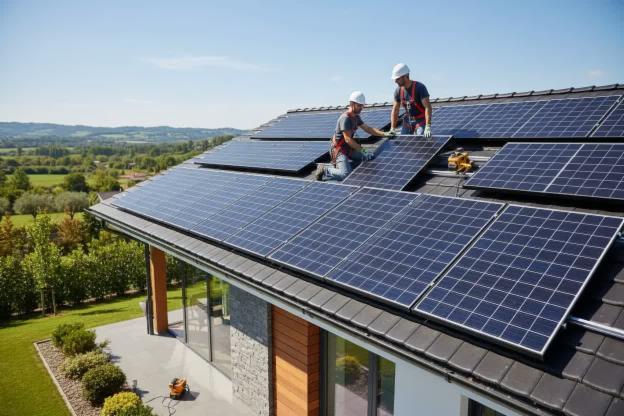
Solar panel installation is the process of placing solar photovoltaic (PV) panels in a suitable location to generate electricity from sunlight.
The installation process includes selecting the right location, preparing the mounting structure, installing solar panels, connecting the inverter, and testing the complete system.
Solar Panel Installation Process
1. Site Survey and Inspection
The first step in solar panel installation is conducting a site survey. The installation team checks the available rooftop or land area, sunlight exposure, roof condition, shading, and electrical requirements.
A proper site inspection helps determine the suitable location and system requirements for the solar project.
2. Solar System Design
After the site survey, engineers prepare the solar system design. The design includes the number of solar panels, panel arrangement, inverter capacity, mounting structure, electrical wiring, and other required equipment.
A well-planned design helps ensure efficient installation and proper use of available space.
3. Installation of Mounting Structure
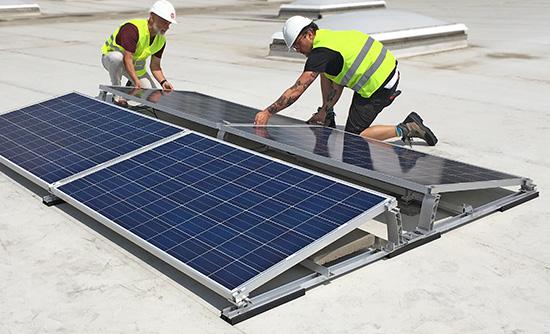
Mounting structures are installed to support the solar panels. For rooftop projects, the structure is fixed securely to the roof using suitable installation methods.
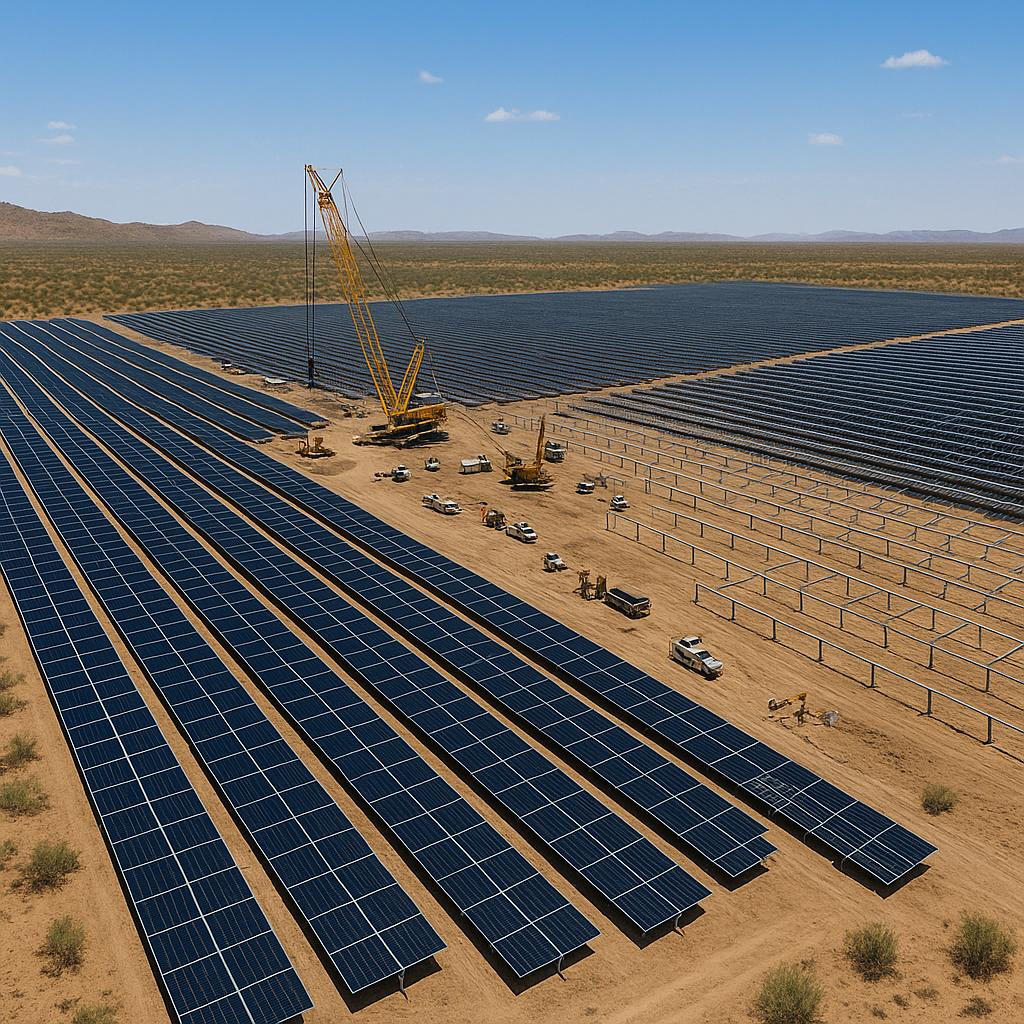
For ground-mounted projects, foundations and support structures are prepared according to the project design.
4. Solar Panel Installation
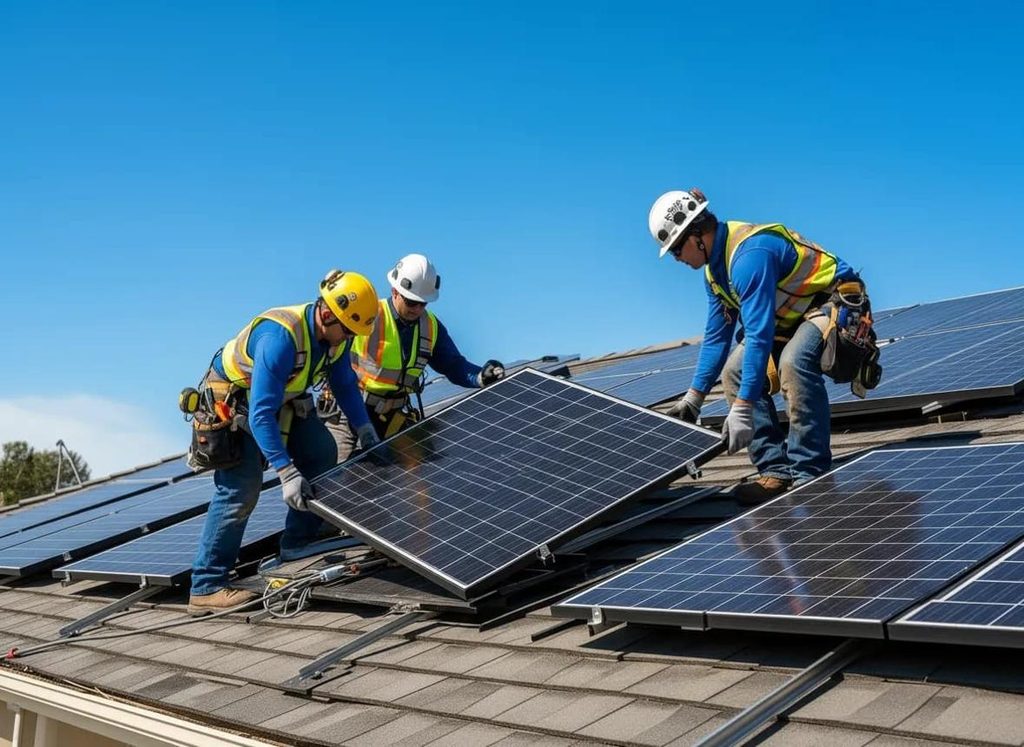
Solar panels are carefully placed and fixed onto the mounting structure. The panels are positioned to receive suitable sunlight throughout the day.
The installation team ensures that the panels are properly aligned and securely attached.
5. Electrical Wiring and Connections
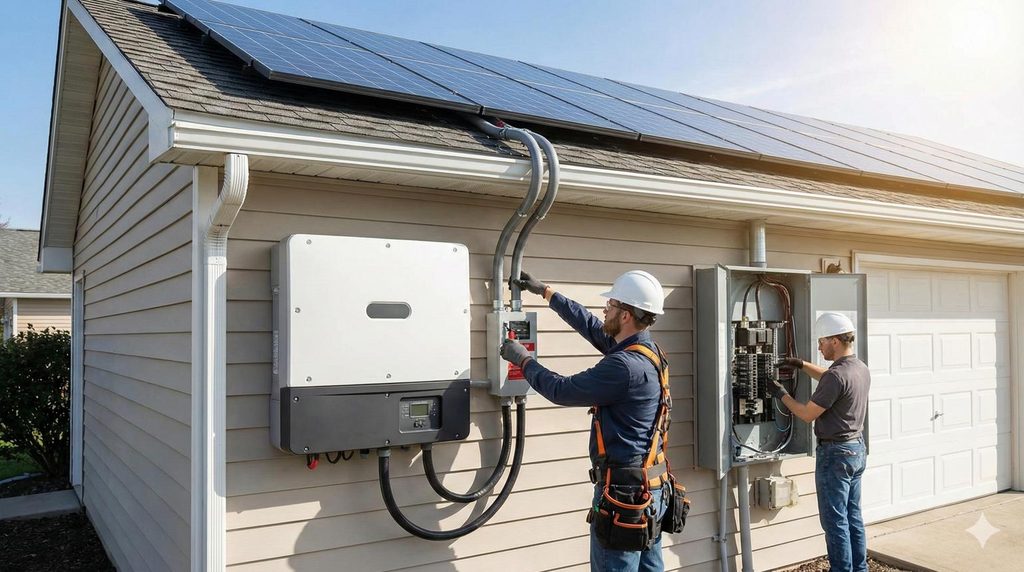
The solar panels are connected using suitable electrical cables and connectors. The wiring transfers electricity from the panels to the inverter and other system components.
Proper cable management, electrical protection, and safe installation are important for reliable solar system operation.
6. Inverter Installation
The inverter is installed in a suitable location according to the manufacturer’s requirements. It converts the direct current (DC) electricity generated by solar panels into alternating current (AC) electricity used by electrical appliances and buildings.
The inverter is connected to the solar panels and the building’s electrical system by qualified professionals.
7. Testing and Commissioning
After installation, the complete solar system is inspected and tested. The team checks the panel connections, inverter operation, electrical safety, and system performance.
Once the required checks are completed, the solar system can be commissioned for operation.
8. Operation and Maintenance
Regular maintenance helps keep the solar panels and other equipment operating efficiently. Maintenance activities may include cleaning the panels, inspecting cables, checking the inverter, and monitoring electricity generation.
Types of Solar Panel Installation
Rooftop Solar Installation
Rooftop solar systems are installed on residential, commercial, and industrial buildings. They use available roof space to generate electricity.
Ground-Mounted Solar Installation
Ground-mounted solar systems are installed on suitable land using mounting structures and foundations.
Commercial Solar Installation
Commercial solar systems are designed for offices, shops, schools, hospitals, and other commercial buildings.
Industrial Solar Installation
Industrial solar systems are developed for factories, warehouses, and manufacturing facilities to support their electricity requirements.
Benefits of Solar Panel Installation
- Generates clean and renewable electricity.
- Helps reduce dependence on conventional power sources.
- Can reduce electricity costs depending on system size and energy usage.
- Supports sustainable construction and energy development.
- Can be installed on rooftops and open land.
- Provides solar energy solutions for homes and businesses.
- Supports long-term renewable energy goals.
Safety During Solar Panel Installation
Safety is an important part of every solar installation project. Installation teams should follow proper electrical safety procedures, use suitable protective equipment, and take precautions while working at heights.
Qualified professionals should handle electrical connections, testing, and commissioning according to applicable safety requirements.
Solar Panel Installation for Construction Projects
Solar panel installation is an important part of modern solar construction projects. It combines civil construction, structural engineering, electrical installation, and renewable energy technology.
Solar EPC companies provide complete project services, including engineering, procurement, construction, installation, and commissioning.
Conclusion
Solar panel installation is a systematic process that requires proper planning, quality equipment, and professional execution. From site inspection and system design to panel installation, electrical connections, and testing, every step contributes to the performance of the solar energy system.
Solar energy is an important solution for developing sustainable homes, businesses, industries, and construction projects.