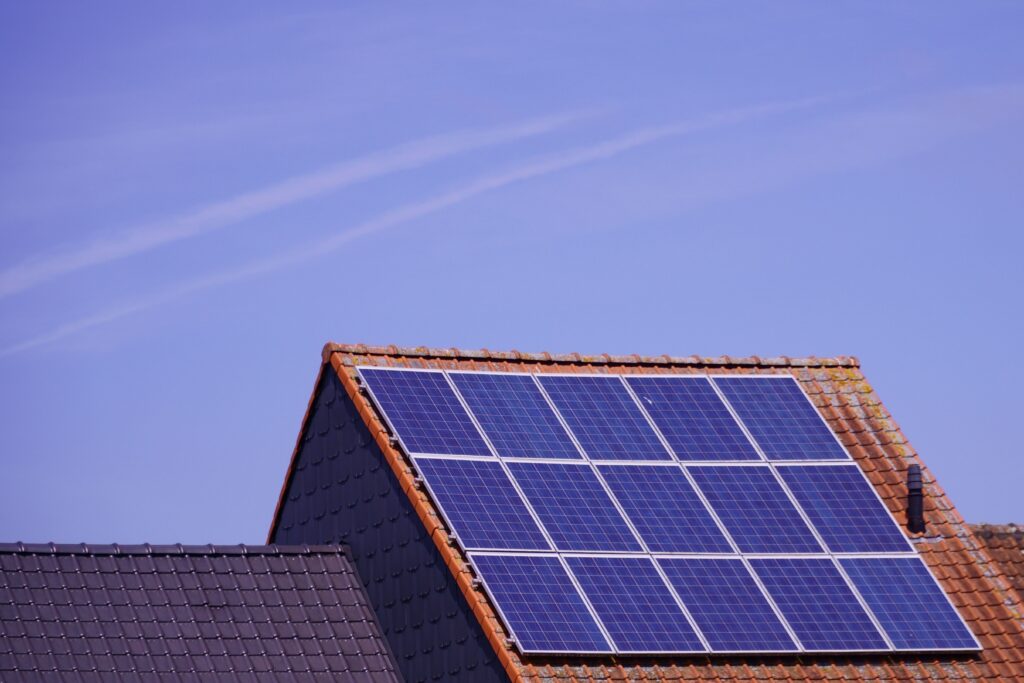
Clean, Reliable Solar Energy for Your Home
Residential solar is a smart way to generate clean electricity for your home using energy from the sun. A rooftop solar system uses solar panels to convert sunlight into electricity that can be used to power household appliances, lighting, fans, air conditioners, refrigerators, and other electrical equipment.
By choosing a residential solar system, homeowners can generate renewable energy at their property and reduce their dependence on conventional electricity sources.
What Is Residential Solar?
Residential solar refers to a solar power system designed specifically for homes. Solar panels are installed on a suitable rooftop or other available area where they can receive sufficient sunlight.
The solar panels generate DC electricity from sunlight. An inverter converts this electricity into AC power that can be used by household appliances.
Depending on the system design, a home can use solar power directly, store energy in batteries, or remain connected to the electricity grid.
Benefits of Residential Solar
1. Reduce Electricity Costs
A residential solar system allows you to generate electricity at home, which can help reduce the amount of electricity you need to purchase from the grid.
2. Use Clean Energy
Solar energy is a renewable source of energy. Using solar power can help reduce reliance on conventional energy sources.
3. Long-Term Energy Solution
Solar panels are designed for long-term operation and can provide electricity for many years when properly installed and maintained.
4. Energy Independence
Generating electricity at home can reduce your dependence on external electricity sources and provide greater control over your energy usage.
5. Low Maintenance
Solar systems generally require limited maintenance. Regular inspection and keeping the panels clean can help maintain their performance.
Types of Residential Solar Systems
On-Grid Solar System
An on-grid system is connected to the electricity grid. Solar power can be used by the home, while excess electricity may be exported to the grid according to applicable local regulations and the utility arrangement.
Off-Grid Solar System
An off-grid system operates independently of the electricity grid and generally uses batteries to store energy for use when solar generation is unavailable.
Hybrid Solar System
A hybrid system combines solar generation with battery storage and grid connectivity. This allows homeowners to use solar energy, store excess energy, and draw electricity from the grid when required.
Our Residential Solar Services
We provide complete residential solar solutions, including:
- Solar site assessment
- Energy requirement analysis
- Solar system design
- Solar panel installation
- Solar inverter installation
- Mounting structure installation
- Electrical connections
- System testing and commissioning
- Solar system maintenance
- Performance inspection
Residential Solar Installation Process
Step 1: Site Assessment
We evaluate the available roof space, sunlight exposure, electrical requirements, and other installation conditions.
Step 2: System Design
The solar system is designed according to the home’s electricity requirements and available installation area.
Step 3: Solar Panel Installation
Solar panels and mounting structures are installed in a suitable location to receive sunlight.
Step 4: Inverter & Electrical Installation
The inverter and required electrical components are installed and connected to the home’s electrical system.
Step 5: Testing & Commissioning
The complete system is inspected and tested before being put into operation.
Why Choose Residential Solar?
Residential solar provides homeowners with an opportunity to use renewable energy directly at their property. With proper system design, quality components, professional installation, and regular maintenance, a solar system can become an important part of a home’s energy solution.