High-Quality Solar Panels for Reliable Solar Power
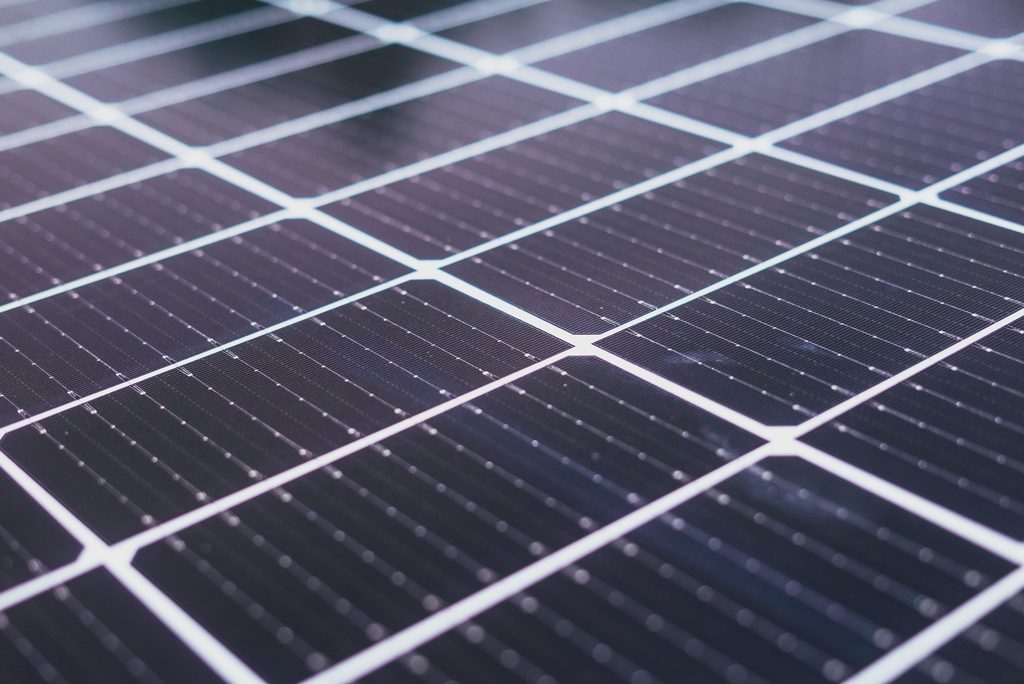
Solar panels, also known as photovoltaic (PV) modules, convert sunlight into electrical energy. Individual solar cells inside a panel absorb sunlight and generate direct-current (DC) electricity. Multiple panels can be connected together to create a solar PV system suitable for residential, commercial and industrial applications.
We provide solar panel solutions for different applications, helping customers select suitable panels based on system capacity, available installation space, energy requirements and project conditions.
How Do Solar Panels Work?
Solar panels contain photovoltaic cells made from semiconductor materials, most commonly silicon. When sunlight reaches these cells, it creates an electrical current. The generated DC electricity is then supplied to an inverter, which converts it into alternating-current (AC) electricity for use by electrical loads or connection to the grid, depending on the system configuration.
Sunlight → Solar Panel → DC Electricity → Inverter → AC Electricity → Electrical Loads
Types of Solar Panels
Monocrystalline Solar Panels
Monocrystalline panels use cells manufactured from a single-crystal silicon structure. They are widely used in residential, commercial and industrial solar installations.
Polycrystalline Solar Panels
Polycrystalline panels use silicon formed from multiple crystal structures. They are another type of crystalline-silicon PV technology.
Bifacial Solar Panels
Bifacial panels are designed to generate electricity from light reaching both sides of the module when the installation conditions allow it. They can be considered for suitable rooftop and ground-mounted applications.
High-Efficiency Solar Panels
High-efficiency panels are designed to produce more electrical power from a given amount of panel area. Panel efficiency is an important consideration when available installation space is limited.
Benefits of Solar Panels
- ☀️ Generate electricity from sunlight
- 🌱 Use renewable energy
- 🏠 Suitable for residential rooftops
- 🏢 Suitable for commercial buildings
- 🏭 Suitable for industrial installations
- 📐 Available in different power capacities
- 🔧 Designed for long-term outdoor operation
- ⚡ Can be integrated into different solar PV system configurations
Where Can Solar Panels Be Used?
Our solar panel solutions can be used for:
- Residential rooftop solar
- Commercial rooftop solar
- Industrial solar installations
- Ground-mounted solar systems
- Solar water pumping systems
- Educational institutions
- Hospitals
- Offices and commercial buildings
- Warehouses
- Agricultural applications
Choosing the Right Solar Panel
Selecting a solar panel requires consideration of several factors, including:
Power Rating
The panel’s rated power helps determine how many panels are required for a particular system capacity.
Efficiency
Panel efficiency indicates how effectively the panel converts available sunlight into electricity.
Available Space
The available rooftop or ground area can influence the choice and number of panels required.
Installation Conditions
Roof orientation, shading, temperature, mounting arrangement and local environmental conditions can affect solar-system performance.
System Requirements
Solar panels should be selected together with the appropriate inverter, mounting structure, electrical equipment and overall system design.
Solar Panel Applications
Residential Solar
Solar panels can be installed on suitable home rooftops to generate electricity for household requirements.
Commercial Solar
Businesses can use rooftop solar panels to generate electricity for offices, shops, hotels, schools, hospitals and other commercial facilities.
Industrial Solar
Large solar panel arrays can be installed on suitable factory rooftops or land areas for industrial applications.
Solar Water Pumping
Solar panels can supply electricity to appropriately designed solar water pumping systems for agricultural and other water-supply applications.
Solar Panel Installation
A complete solar PV installation includes more than the panels themselves. Mounting structures, inverters, wiring, protection equipment and other components are selected according to the project design.
Our installation process includes:
Site Assessment → System Design → Panel Selection → Mounting → Electrical Connection → Testing → Commissioning
Why Choose Our Solar Panels?
We help customers select solar panels according to their project requirements and installation conditions.