Solar energy is one of the most widely used renewable energy sources for homes, businesses, industries, and other applications. Solar panels capture energy from sunlight and convert it into electricity, providing an alternative to conventional power sources.
As energy requirements continue to increase, solar power offers a practical way to generate electricity while supporting cleaner and more sustainable energy use.
What Is Solar Energy?
Solar energy is the energy obtained from the sun. Solar photovoltaic (PV) panels convert sunlight directly into electrical energy. A solar system can include solar panels, an inverter, mounting structures, electrical protection equipment, and, where required, battery storage.
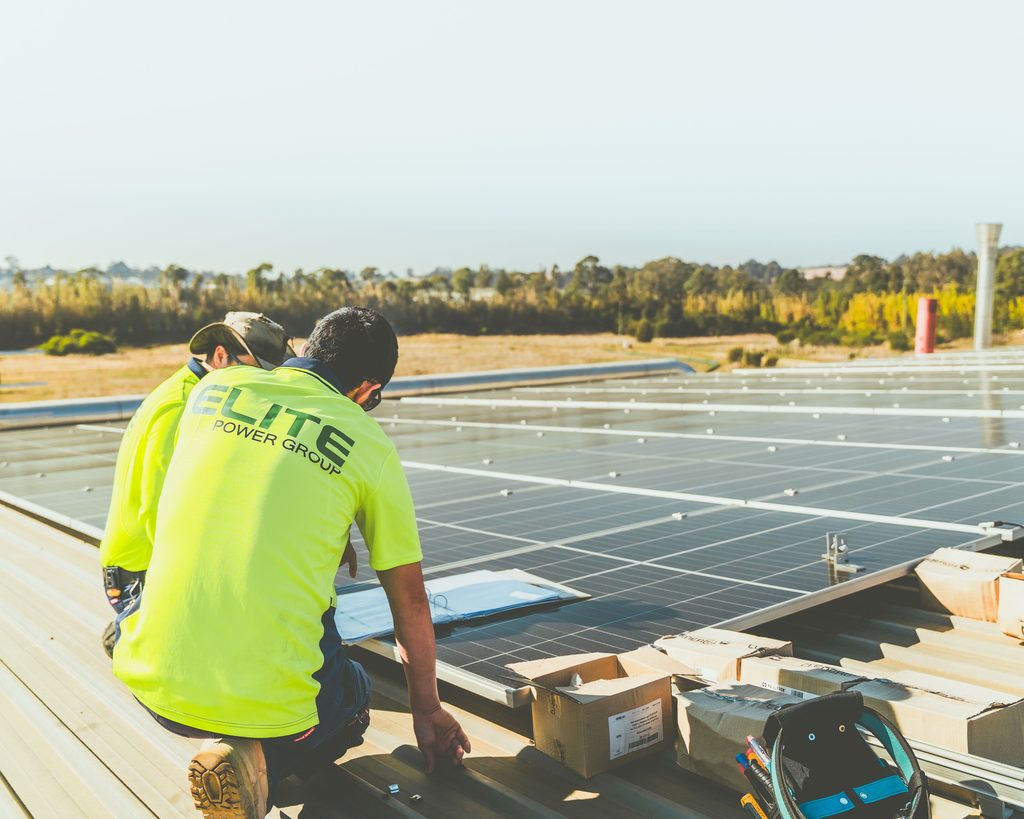
Solar systems can be installed on rooftops, open land, commercial buildings, industrial facilities, and other suitable locations.
1. Renewable Source of Energy
Sunlight is a naturally replenished energy source. Unlike fossil fuels, solar energy does not depend on extracting and burning finite resources. This makes solar power an important component of renewable-energy systems.
2. Can Reduce Electricity Costs
A solar PV system can generate electricity at the location where it is consumed. For homes and businesses, this can reduce the amount of electricity that needs to be purchased from the grid, depending on system size, electricity consumption, tariffs, and local regulations.
3. Environmentally Friendly
Solar power generation does not produce direct greenhouse-gas emissions during electricity generation. Replacing some conventional electricity generation with solar power can therefore help reduce the environmental impact associated with electricity production.
4. Supports Energy Independence
Generating electricity through rooftop or ground-mounted solar can reduce dependence on electricity supplied entirely from the grid. When combined with battery storage, solar-generated electricity can also be stored for later use.
5. Suitable for Homes and Businesses
Solar energy can be used in many different applications, including:
- Residential homes
- Offices
- Schools and institutions
- Shops and commercial buildings
- Factories and industrial facilities
- Agricultural applications
The system can be designed according to the available space and electricity requirements.
6. Relatively Low Maintenance
Solar PV systems generally have few moving parts, which helps keep routine maintenance requirements relatively low. Regular cleaning, visual inspection, and monitoring can help maintain system performance.
7. Long-Term Electricity Generation
Solar panels are designed to generate electricity for many years. With proper system design, installation, maintenance, and monitoring, a solar installation can provide long-term electricity generation.
8. Works With Battery Storage
Solar energy can be combined with battery storage systems. During periods of solar generation, excess electricity can be stored in the battery and used later when solar generation is unavailable or lower.
Conclusion
Solar energy provides a renewable way to generate electricity for residential, commercial, and industrial applications. Its potential to reduce grid electricity consumption, support cleaner energy generation, and provide long-term power generation makes it an important part of the transition toward sustainable energy.