Introduction
Renewable energy is an important part of building a cleaner and sustainable future. As the demand for electricity continues to increase, renewable energy sources help meet energy needs while reducing dependence on fossil fuels.
Solar energy, wind energy, hydropower, and other renewable sources provide clean energy solutions for homes, businesses, industries, and communities.
What Is Renewable Energy?
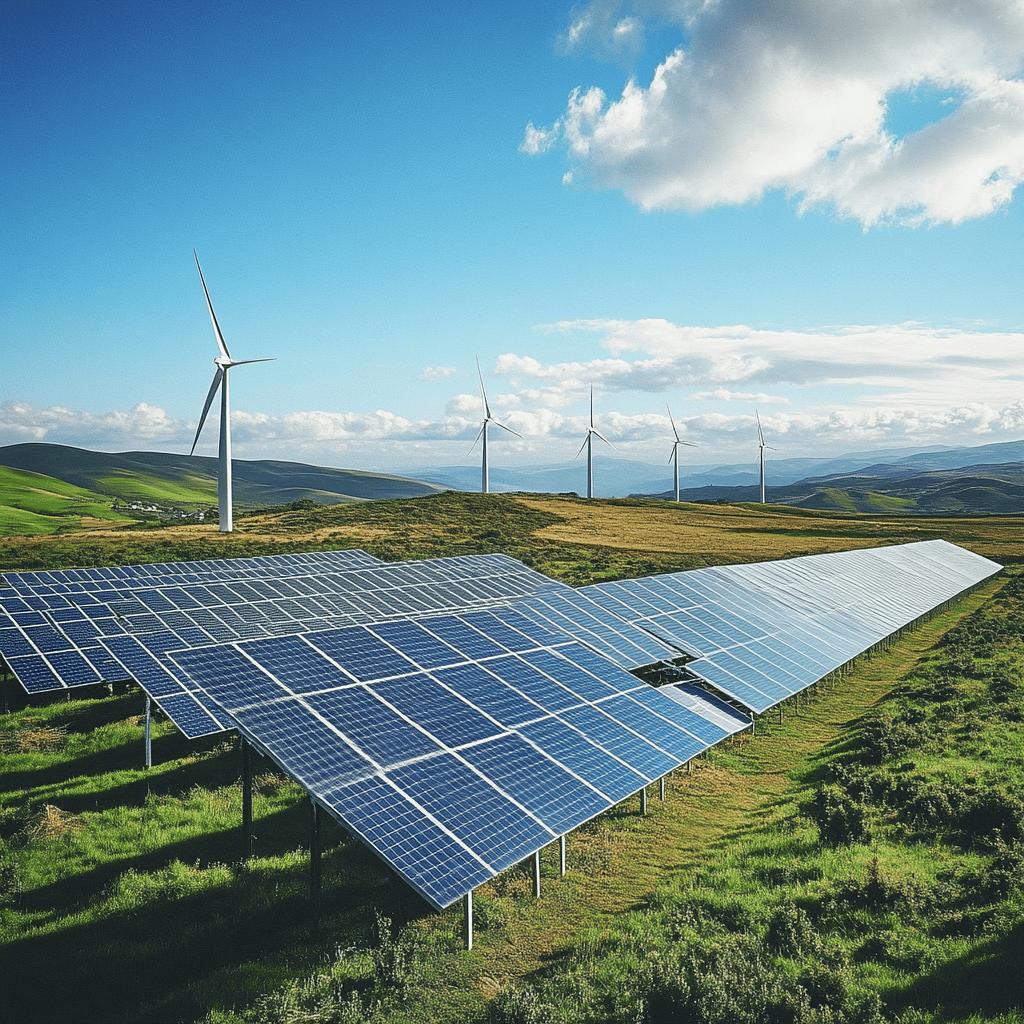
Renewable energy is energy produced from natural sources that are replenished over time. These sources include sunlight, wind, water, and organic materials.
Unlike fossil fuels, renewable energy sources can be used repeatedly and support long-term energy development.
Types of Renewable Energy
1. Solar Energy
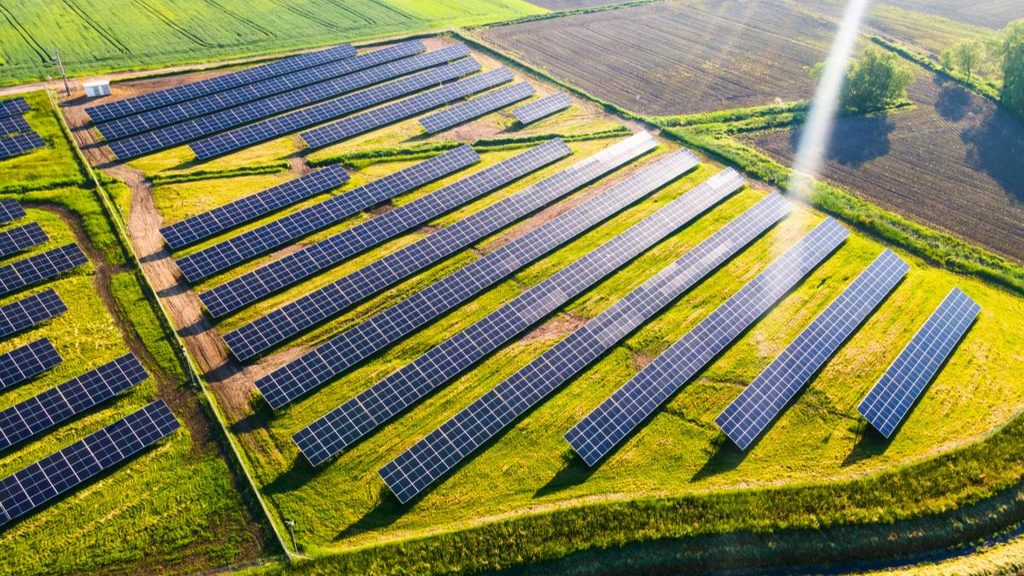
Solar energy uses sunlight to generate electricity through solar panels. It is widely used in residential, commercial, and industrial projects.
2. Wind Energy
Wind energy uses wind turbines to convert the movement of air into electricity. Wind farms are developed in areas with suitable wind conditions.
3. Hydropower
Hydropower generates electricity using moving water. It is commonly produced through dams and hydroelectric power stations.
4. Biomass Energy
Biomass energy is produced from organic materials such as agricultural waste, wood, and other biological resources.
5. Geothermal Energy
Geothermal energy uses heat from inside the Earth to produce electricity and provide heating.
Importance of Renewable Energy
1. Reduces Environmental Pollution
Renewable energy helps reduce air pollution associated with burning fossil fuels. Solar and wind power generate electricity without directly burning fuel during operation.
2. Supports Sustainable Development
Renewable energy supports the development of sustainable communities, industries, and infrastructure. It helps meet present energy needs while supporting long-term environmental goals.
3. Reduces Dependence on Fossil Fuels
Renewable energy provides alternatives to coal, oil, and natural gas. Using a mix of renewable energy sources can help diversify energy supplies.
4. Helps Reduce Greenhouse Gas Emissions
Many renewable energy technologies produce much lower lifecycle greenhouse gas emissions than fossil-fuel-based electricity. This makes renewable energy an important part of climate change mitigation.
5. Supports Energy Security
Renewable energy can reduce dependence on imported fuels and support local electricity generation. Solar and wind resources are available in many regions.
6. Creates Employment Opportunities
The renewable energy sector creates jobs in engineering, manufacturing, construction, installation, maintenance, and project management.
Renewable Energy in Solar Construction Projects
Renewable energy plays an important role in modern construction and infrastructure development. Solar construction projects help integrate clean energy systems into homes, offices, factories, and large-scale power plants.
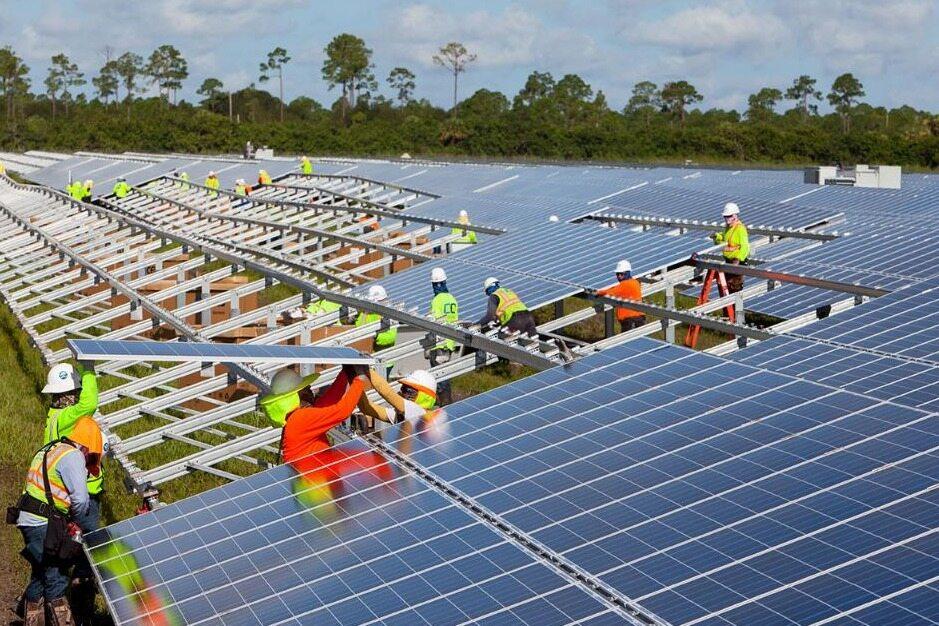
Solar EPC companies provide engineering, procurement, and construction services for renewable energy projects. These services include system design, equipment procurement, civil construction, solar panel installation, electrical work, and commissioning.
Benefits of Renewable Energy for Businesses
Renewable energy can help businesses:
- Reduce dependence on conventional electricity sources.
- Improve long-term energy planning.
- Support environmental sustainability goals.
- Use available rooftop and land space for energy generation.
- Develop cleaner and more efficient energy systems.
The actual financial benefits depend on the project size, electricity consumption, installation cost, and local regulations.
Applications of Renewable Energy
Renewable energy is used in many areas, including:
- Residential solar power systems
- Commercial buildings
- Industrial facilities
- Solar power plants
- Agriculture and irrigation
- Street lighting
- Schools and hospitals
- Electric vehicle charging
- Rural electrification
Future of Renewable Energy
The future of renewable energy is connected to technological development, energy storage, modern electrical grids, and sustainable construction.
Solar panels, wind turbines, batteries, and other clean energy technologies are helping develop new energy solutions for homes, businesses, and industries.
With proper planning and investment, renewable energy can support a cleaner and more sustainable energy future.
Conclusion
Renewable energy is essential for sustainable development and long-term energy planning. It helps reduce dependence on fossil fuels, supports cleaner electricity generation, and creates opportunities for economic and infrastructure development.
Solar energy and other renewable sources are becoming important solutions for homes, businesses, industries, and communities.