Introduction
Solar energy is one of the most important sources of renewable energy. It uses sunlight to generate electricity for homes, businesses, industries, and other applications. Solar energy is clean, sustainable, and widely used around the world.
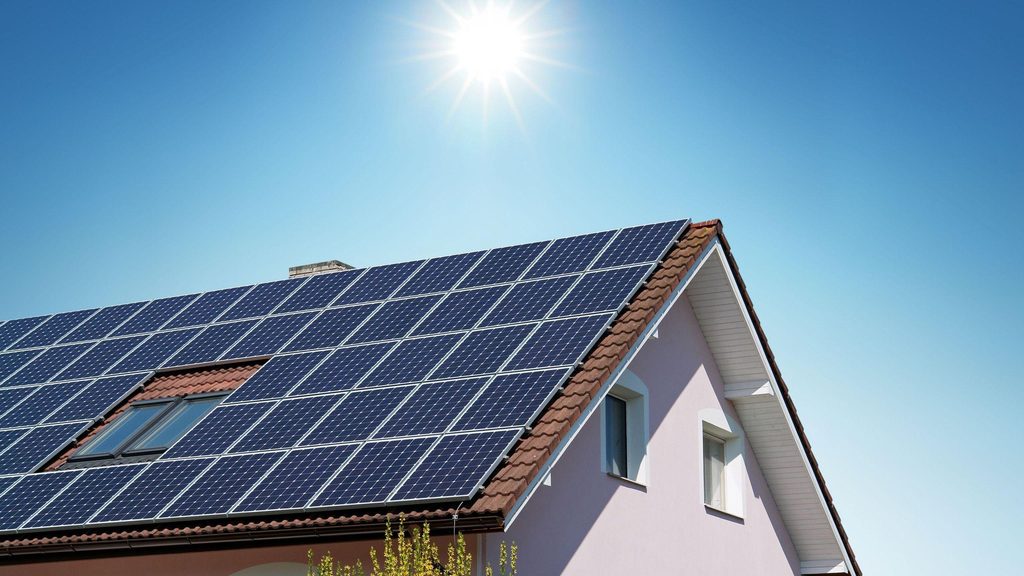
Solar panels convert sunlight into electricity through a process called the photovoltaic effect.
What Is Solar Energy?
Solar energy is the energy we receive from the sun in the form of sunlight and heat. Solar panels capture sunlight and convert it into electrical energy that can be used to power homes, offices, factories, and other buildings.
Solar energy is a renewable source of energy because sunlight is naturally available and continuously replenished.
How Does Solar Energy Work?
1. Sunlight Falls on Solar Panels
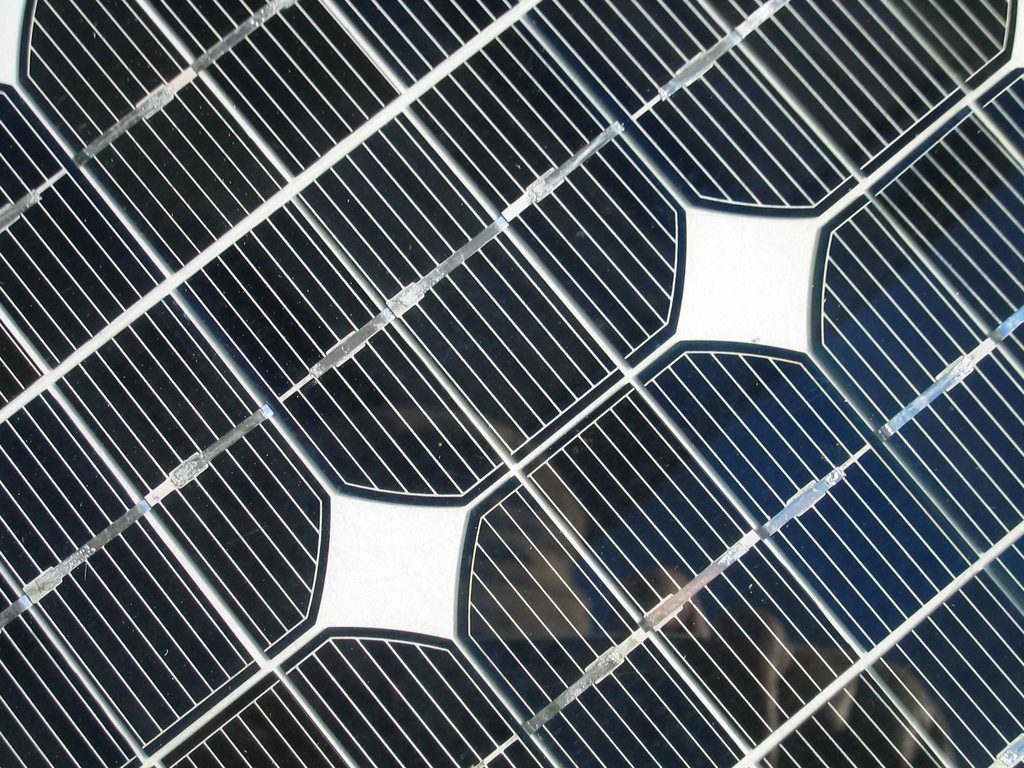
When sunlight reaches the solar panels, the photovoltaic cells inside the panels absorb the light energy. These cells are generally made using semiconductor materials such as silicon.
2. Solar Cells Generate Electricity
The energy from sunlight causes electrons in the solar cells to move. This movement creates direct current (DC) electricity.
3. Inverter Converts Electricity
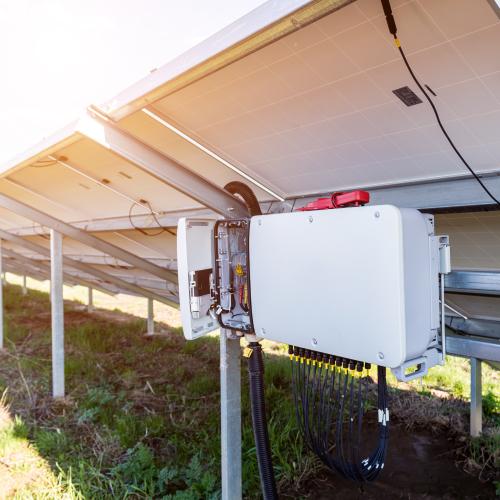
The electricity generated by solar panels is DC electricity. An inverter converts DC electricity into alternating current (AC) electricity, which is commonly used by household appliances and electrical systems.
4. Electricity Powers Buildings
The converted electricity can be used to power lights, fans, computers, machines, and other electrical equipment in homes, offices, and industries.
5. Excess Electricity and Battery Storage
Depending on the solar system, excess electricity may be stored in batteries or supplied to the electrical grid. Batteries can also provide stored solar energy when sunlight is unavailable.
Main Components of a Solar Energy System
Solar Panels
Solar panels capture sunlight and convert it into electrical energy.
Inverter
The inverter converts DC electricity from solar panels into AC electricity for use in buildings.
Mounting Structure
Mounting structures support the solar panels and keep them in a suitable position to receive sunlight.
Battery
A battery stores electrical energy for use when solar power generation is low or unavailable.
Electrical Wiring
Cables and electrical equipment transfer electricity between the solar panels, inverter, battery, and building.
Types of Solar Energy Systems
1. On-Grid Solar System
An on-grid solar system is connected to the electrical grid. It can supply solar electricity to a building and, where permitted, export excess electricity to the grid.
2. Off-Grid Solar System
An off-grid solar system operates independently of the electrical grid. It commonly uses batteries to store electricity for use when sunlight is unavailable.
3. Hybrid Solar System
A hybrid solar system combines solar panels, batteries, and grid connection. It provides flexibility in managing solar electricity and stored energy.
Benefits of Solar Energy
- Solar energy is a renewable source of power.
- It helps reduce dependence on conventional electricity sources.
- It can help reduce electricity costs, depending on system size and energy usage.
- It supports clean energy generation.
- Solar systems can be installed on rooftops and open land.
- It supports sustainable development.
- It can provide electricity for homes, businesses, and industries.
Applications of Solar Energy
Solar energy is used in many areas, including:
- Residential rooftop solar systems
- Commercial buildings
- Industrial facilities
- Solar power plants
- Solar water pumping systems
- Street lighting
- Agricultural applications
- Schools and hospitals
Solar Energy and Construction Projects
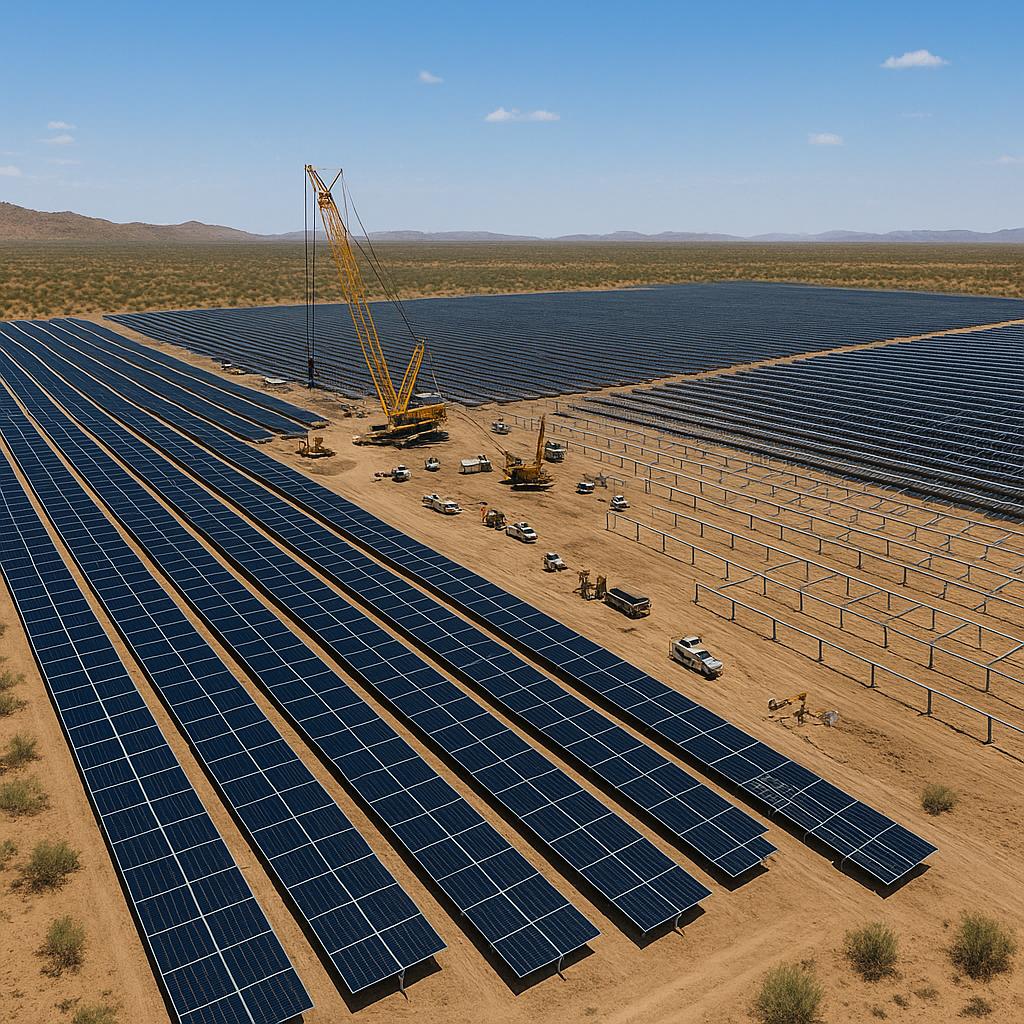
Solar energy plays an important role in modern construction projects. Solar panels can be installed on residential buildings, commercial properties, factories, and large-scale solar power plants.
Solar construction projects involve engineering, procurement, civil construction, electrical installation, and commissioning. Proper planning and professional installation help create reliable solar energy systems.
Conclusion
Solar energy is a clean and renewable source of electricity that uses sunlight to generate power. Solar panels, inverters, mounting structures, batteries, and electrical systems work together to provide useful energy.
With the development of solar technology and construction projects, solar energy continues to support sustainable energy solutions for homes, businesses, industries, and communities.